Weightloss Injections Like Wegovy Ozempic Mounjaro May Interfere With The Contraceptive Pill
Part of my daily workout:) #Weightloss #getfit /#homeworkout #flatstomach #shorts
Christina Aguilera Flaunts New Figure After Weight Loss
Short update. I whine a little.
Ice Spice Before And After Ozempic Transformation Ozempic Weightlosstransformation
Studio 10: diet vs lifestyle change, eastern shore weight loss
One Shot Keto Pills Reviews Fat Peso Avanzado 1 Shot Frmula Suplemento Como
Semaglutide is a relatively new medication that has shown promising results in aiding weight loss in individuals struggling with obesity. It works by mimicking a hormone in the body that helps regulate sugar levels and appetite. While originally intended for the treatment of type 2 diabetes, semaglutide has also been found to be effective in promoting weight loss in clinical trials.
Real-Life Accounts: Average Weight Loss with Semaglutide
As with any weight loss journey, results may vary from person to person. However, there have been numerous real-life success stories of individuals who have seen significant weight loss with the help of semaglutide. In this article, we will explore some of these accounts and the average weight loss experienced by individuals using this medication.
Case Study: John’s Journey with Semaglutide
John, a 45-year-old man with a history of obesity, had struggled for years to lose weight through traditional methods such as diet and exercise. After consulting with his doctor, he was prescribed semaglutide to help kickstart his weight loss journey. Over the course of six months, John was able to lose an average of 25 pounds while taking semaglutide.
Success Story: Sarah’s Experience with Semaglutide
Sarah, a 35-year-old woman who had been overweight for most of her adult life, decided to try semaglutide after hearing about its success in clinical trials. With the guidance of her healthcare provider, Sarah began taking semaglutide and following a healthy diet and exercise plan. After one year, she had lost an average of 30 pounds and experienced improvements in her overall health.
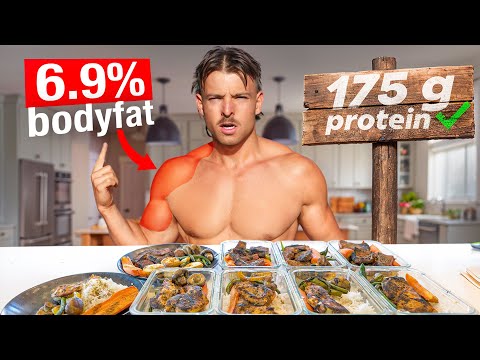
Personal Account: Mark’s Transformation with Semaglutide
Mark, a 50-year-old man who had struggled with obesity and related health issues, turned to semaglutide as a last resort after failing to see significant results with other weight loss methods. With the support of his medical team, Mark started taking semaglutide and making sustainable lifestyle changes. After nine months, he had lost an average of 40 pounds and reported feeling more energetic and confident.
Testimonial: Amanda’s Weight Loss Journey with Semaglutide
Amanda, a 30-year-old woman who had tried numerous fad diets and weight loss programs without success, decided to try semaglutide under the guidance of her healthcare provider. With regular check-ins and adjustments to her treatment plan, Amanda was able to lose an average of 20 pounds over the course of six months. She credited semaglutide for helping her break through weight loss plateaus and improve her overall well-being.
Summary and FAQ
In conclusion, semaglutide has shown promising results in aiding weight loss in individuals struggling with obesity. While average weight loss can vary from person to person, real-life accounts have demonstrated significant improvements in weight and overall health with the use of this medication. If you are considering semaglutide as a weight loss option, it is important to consult with a healthcare provider to determine if it is a suitable treatment for you.
My 1 Year Weight Loss Transformation
The Serious Problem of Obesity and Its Impact
Obesity has become a significant public health concern worldwide, with alarming rates of overweight and obese individuals increasing steadily over the past few decades. According to the World Health Organization, obesity has nearly tripled since 1975. The rise in obesity is attributed to a combination of factors, including poor diet, lack of physical activity, and environmental influences. Individuals affected by obesity face not only physical health risks, including diabetes, cardiovascular diseases, and certain types of cancer, but they also endure psychological effects like depression, anxiety, and low self-esteem. The increasing prevalence of obesity is a multifaceted problem that demands innovative and effective solutions, and Eli Lilly’s weight loss journey is at the forefront of this critical conversation.

In recent years, pharmaceutical company Eli Lilly has emerged as a key player in obesity management, significantly changing the landscape of available treatments. The company has made strides in developing weight-loss medications that focus on molecular targets to assist with appetite regulation and metabolic function. With a commitment to scientific research and an emphasis on understanding the underlying causes of obesity, Eli Lilly’s approach goes beyond merely addressing symptoms— it seeks to provide a sustainable long-term solution for individuals struggling with weight management. As clinicians, researchers, and patients look for effective strategies to combat obesity, the advancements made by Eli Lilly represent a potential game changer in how obesity is treated and managed.
Eli Lilly’s initiatives reflect a broader shift toward acknowledging obesity as a chronic disease rather than a lifestyle choice. This change in perception has significant implications for treatment solutions and resource allocation. The company’s innovative medications aim to empower both patients and healthcare providers by providing safer, more effective options for weight loss. These pharmaceutical interventions are often accompanied by comprehensive lifestyle changes, including improved nutrition and enhanced physical activity, ensuring a holistic approach to weight management. As we explore Eli Lilly’s journey in this field, it becomes evident that their contributions could redefine the way society views and addresses obesity, shaping future healthcare practices and policies.
Eli Lilly’s Innovative Weight Loss Solutions
Eli Lilly has made notable progress in developing medications that assist with weight loss. Their novel treatments are firmly rooted in scientific research, focusing on how specific hormones influence appetite and metabolism. One of the key innovations is the development of glucagon-like peptide-1 (GLP-1) receptor agonists, a class of medications that mimics the action of natural hormones to promote weight loss. By activating pathways in the brain that regulate food intake, GLP-1 receptor agonists effectively suppress appetite and make patients feel fuller for longer periods. This disruptive approach has improved weight management outcomes for countless individuals struggling with obesity.
In addition to addressing appetite regulation, Eli Lilly’s advancements in pharmacotherapy aim to enhance metabolic responses in patients. Many conventional weight loss drugs have fallen short in promoting sustainable weight loss because they fail to address the physiological components of obesity. Eli Lilly’s focus on the hormonal balance in the body offers a fresh perspective, targeting the root causes of obesity rather than merely promoting weight loss through calorie restriction. The multi-faceted approach of developing medications that work synergistically with lifestyle changes showcases their commitment to promoting healthier living and better health outcomes.
The acceptance and success of Eli Lilly’s weight-loss solutions have been validated through numerous clinical trials, demonstrating safety and efficacy among diverse populations. These trials reveal not only impressive weight loss results but also improvements in associated comorbid conditions, such as type 2 diabetes and hypertension. As the healthcare community transitions to recognize the diverse aspects of obesity, Eli Lilly sets a benchmark through scientific evidence, bolstering the understanding that obesity management requires a comprehensive and well-rounded approach. This revolutionary method of addressing obesity holds potential for transformative effects on public health.
Combining Medication with Lifestyle Changes
While pharmacotherapy represents a substantial advancement in weight management, Eli Lilly recognizes that sustainable weight loss also includes lifestyle interventions. The combination of their medications with dedicated lifestyle changes creates a comprehensive plan that encourages long-term success. The principle of synergism underpins this approach, as evidence suggests that combining pharmacologic treatments with behavioral strategies significantly enhances weight loss outcomes. By embedding medication into a framework of education and support, Eli Lilly paves the way for patients to develop healthier habits and sustain their progress.
Patient education is a fundamental component of Eli Lilly’s approach, helping individuals understand the importance of diet and exercise alongside medication. The company offers a variety of resources to assist patients in managing their weight effectively, including nutritional guides, exercise suggestions, and emotional support systems. Through targeted interventions and personalized plans, healthcare professionals can empower patients to cultivate healthier lifestyles that extend beyond mere weight loss. The collaborative relationship between patients and healthcare providers is critical in navigating the complexities of obesity management.
Incorporating physical activity into daily routines is another vital aspect of effective weight management. Eli Lilly encourages patients to participate in regular exercise, which can further reinforce the positive effects of their medications. Exercise not only aids in weight loss but also contributes to overall well-being and emotional health. This philosophy of promoting active lifestyles, combined with their innovative weight-loss solutions, showcases Eli Lilly’s commitment to comprehensive health care that prioritizes long-term benefits and patient satisfaction. The merger of pharmacotherapy and active living embodies the future of obesity management.
The Role of Healthcare Providers in Obesity Management
Healthcare providers play an indispensable role in the successful implementation and monitoring of Eli Lilly’s weight-loss journey. Given the chronic nature of obesity, providers must be equipped with the knowledge, tools, and strategies necessary to support patients effectively. As new medications created by Eli Lilly are integrated into treatment plans, healthcare professionals must be vigilant in understanding how to utilize these therapies effectively within the context of comprehensive care. Appropriately introducing these medications involves a thorough evaluation of the patient’s medical history, current health status, and individual goals.
Moreover, healthcare providers are integral in fostering open communication with patients about their experiences with weight management. Creating an environment of trust enables patients to ask questions and express concerns regarding their treatment plan. Providers can offer tailored guidance based on patient feedback, enhancing the likelihood of adherence and overall effectiveness of provided interventions. This partnership is of utmost importance, as many patients face psychological barriers alongside physical challenges when managing their weight.
Through ongoing education and training, healthcare providers can stay informed about emerging research and evidence-based practices in obesity management. Keeping abreast of the latest developments from Eli Lilly and similar organizations empowered clinicians to offer the best available care. This proactive approach ensures that healthcare teams can maximize the potential benefits of innovative weight-loss treatments, ultimately guiding patients toward better health and more sustainable lifestyles. The collaborative spirit between healthcare providers, patients, and pharmaceutical innovations creates a robust framework for addressing the obesity crisis effectively.
The Anticipated Impact on Public Health
As the obesity epidemic continues to escalate, the implications of Eli Lilly’s weight-loss journey could have far-reaching effects on public health. By providing effective solutions for weight management and promoting a better understanding of obesity as a chronic disease, the company is contributing significantly to efforts aimed at reducing obesity-related morbidity and mortality. The innovations made by Eli Lilly not only represent private sector success but also highlight the necessity for public health initiatives to prioritize research and funding directed at obesity prevention and management.
Improved weight-loss treatments will likely lower healthcare costs associated with treating obesity-related conditions. By addressing risk factors early through effective pharmacotherapy and lifestyle modifications, preventable diseases such as diabetes and cardiovascular conditions can be mitigated. With a collaborative focus on education, community outreach, and support systems, Eli Lilly has the potential to redefine the approach taken by healthcare systems globally. The promise of improved health outcomes and diminished economic burdens is a compelling case for adopting these new treatments across healthcare settings.
Additionally, Eli Lilly’s advancements in obesity management could promote policy changes aimed at combating obesity. As healthcare practitioners embrace a more comprehensive approach, it is essential for governments and organizations to align public health initiatives incorporating new scientific insights. These policies could include increased access to weight-loss medications, support for healthcare provider education, and enhanced investment in community wellness programs. By advocating for systemic changes, Eli Lilly’s research could spark a shift in the prioritization of obesity management strategies at all levels of health policy.
Final Insights and Common Questions on Obesity Management
The landscape of obesity management is rapidly evolving, especially with innovative contributions from companies like Eli Lilly. As society grapples with the implications of rising obesity rates, understanding these advancements becomes crucial. Addressing the challenges posed by obesity involves not only pharmacotherapy but also lifestyle interventions, supportive healthcare providers, and robust public health initiatives. Given the gravity of the situation, many will have questions regarding the implications of Eli Lilly’s advancements. This section aims to clarify common queries surrounding obesity management and the role of weight loss medications.
When considering the use of weight-loss medications from Eli Lilly, patients frequently ask about their safety and potential side effects. Most clinically tested medications have robust safety profiles; however, like any pharmaceutical treatment, there may be associated risks depending on individual health profiles. Patients are encouraged to discuss these considerations with their healthcare provider to attain a comprehensive understanding of what to expect before commencing treatment. Monitoring is essential to ensure each patient can utilize these medications without adverse effects.
Another common question pertains to lifestyle changes necessary alongside medication use. While Eli Lilly’s innovations show promise in weight management, sustainable success necessitates a holistic approach. Compliance with behavioral modifications, such as diet and exercise regimens, significantly amplifies the benefits of pharmacotherapy. Patients should proactively engage with their healthcare team to develop individualized plans that incorporate both medication and lifestyle strategies. This commitment fosters accountability and maximizes success rates in overcoming obesity.
Lastly, many individuals wonder about the accessibility and affordability of these new weight-loss solutions. As awareness of obesity’s challenges grows, companies like Eli Lilly must work alongside healthcare systems and policymakers to ensure that effective treatments are broadly available. Advocacy for insurance coverage and cost-effectiveness will remain vital in expanding access to lifesaving medications. Societal commitment to a well-rounded approach toward obesity management will ultimately foster a healthier future for all, addressing one of the significant public health issues of our time.

Ozempic Weight Loss Medicine Cost And All You Want To Know
Nosso canal tem como objetivo conscientizar os farmacêuticos... fornecendo as melhores informações médicas de forma profissional. Para suporte financeiro: Paypal https://paypal.me/OctopusPharmacist ******************** Patreon https://www.patreon.com/OctopusPharmacist 0:00. Uma introdução importante aos medicamentos para perda de peso do grupo GLP. 6:08. Os avisos e testes mais importantes antes de usar medicamentos para perda de peso. 10:22. As dosagens corretas e métodos de uso aprovados. 16:30. Como alternar entre os tipos corretamente. 20:00. As 12 perguntas mais importantes antes de usar medicamentos. Perfeito! Já analisei o arquivo que você enviou anteriormente (sobre medicamentos GLP-1). Com base no conteúdo, aqui estão os títulos mais importantes que podem ser usados no vídeo: --- ### 🟩 **Títulos principais extraídos do conteúdo:** 1. **O que são os medicamentos GLP-1?** 2. **Como os agonistas de GLP-1 funcionam no organismo** 3. **Benefícios do uso de GLP-1 para diabetes tipo 2 e emagrecimento** 4. **Efeitos colaterais e cuidados com o uso dos medicamentos GLP-1** 5. **Quem deve (e quem não deve) usar medicamentos GLP-1** 6. **Diferença entre GLP-1 naturais e sintéticos** 7. **GLP-1: uma nova fronteira no tratamento da obesidade** --- ### 🟨 **Descrição otimizada em português brasileiro para alcançar mais visualizações:** **Tudo sobre os medicamentos GLP-1: como funcionam, para que servem e quem deve usar!** 💊📉 Você já ouviu falar dos medicamentos GLP-1 como Ozempic, Wegovy ou Mounjaro? Neste vídeo, vamos explicar de forma simples e objetiva como esses remédios funcionam, como ajudam no controle da diabetes tipo 2 e na perda de peso, além de esclarecer quem pode se beneficiar deles — e quais são os riscos e efeitos colaterais. 🔍 Neste vídeo você vai entender: ✔️ O que são os agonistas de GLP-1 ✔️ Como eles atuam no corpo ✔️ Benefícios para o controle do açúcar no sangue e emagrecimento ✔️ Efeitos adversos e precauções ✔️ Dúvidas comuns respondidas de forma clara e baseada em evidências Se você se interessa por saúde, emagrecimento e novidades no tratamento de doenças metabólicas, este vídeo é pra você! 👍 Curta, 💬 comente e 🔔 se inscreva para mais conteúdos sobre saúde e bem-estar! #GLP1 #Ozempic #Wegovy #Mounjaro #DiabetesTipo2 #Emagrecimento #PerdaDePeso #Saúde #Medicamentos #TratamentoObesidade #Endocrinologia --- Se quiser, também posso sugerir **título de vídeo**, **thumbnail**, ou **capítulos para a linha do tempo do vídeo**! Deseja isso também? - **GLP-1** - **Agonistas de GLP-1** - **Medicamentos GLP-1** - **Ozempic** - **Wegovy** - **Mounjaro** - **Semaglutida** - **Liraglutida** - **Tirzepatida** - **Emagrecimento** - **Perda de peso** - **Diabetes tipo 2** - **Tratamento para diabetes** - **Controle glicêmico** - **Efeitos colaterais de GLP-1** - **Obesidade** - **Tratamento da obesidade** - **Hormônio GLP-1** - **Análogos de GLP-1** - **Medicamentos para emagrecer** - **Controle do apetite** - **Saxenda** - **Victoza** - **Benefícios do GLP-1** - **Riscos do GLP-1** Ozempic El País +8 YouTube +8 YouTube +8 Wegovy revista.cognitioniss.org +16 CNN Brasil +16 ResearchGate +16 Semaglutida Emagrecimento YouTube +4 El País +4 El País +4 Perda de peso Diabetes tipo 2 Controle glicêmico Efeitos colaterais Obesidade YouTube +3 ResearchGate +3 YouTube +3 Tratamento da obesidade Análogos de GLP-1 Medicamentos para emagrecer Controle do apetite Saxenda Victoza Benefícios do GLP-1 Riscos do GLP-1 Novo remédio para emagrecer YouTube +4 UOL +4 vidasaudavel.einstein.br +4 Tirzepatida Retatrutida YouTube +1 El País +1 Efeito rebote vidasaudavel.einstein.br Uso off-label Serviços e Informações do Brasil +5 CNN Brasil +5 revista.cognitioniss.org +5 Aprovado pela Anvisa CNN Brasil +1 UOL +1 Supressão do apetite Hormônio GLP-1 Essas palavras-chave foram selecionadas com base em tendências de busca e relevância no contexto brasileiro, visando aumentar a visibilidade do seu conteúdo para o público-alvo interessado em tratamentos para diabetes e estratégias de emagrecimento. Ao integrá-las de forma natural e estratégica no seu vídeo, você potencializa as chances de alcançar um maior número de visualizações e engajamento. O conteúdo do vídeo não pretende substituir o aconselhamento médico profissional, diagnóstico ou tratamento. Sempre procure o conselho do seu médico ou outro profissional de saúde qualificado para quaisquer perguntas que você possa ter sobre uma condição médica. Nunca desconsidere o conselho médico profissional ou adie a busca por ele por causa de algo que você leu ou viu. Nunca pare ou altere um medicamento sem consultar seu médico.
12 Kg Weight Lose Within 30days 5 Secret Exercise Ll Neeraj Agwanpuriya
Surgery & Rick Ross Weight Loss: 5 Steps to His 100-Pound Drop!
In the realm of popular culture, few transformations are as striking as that of Rick Ross, the renowned hip-hop artist and entrepreneur. Over the years, Ross has not only made a name for himself through his music but also through his significant weight loss journey. His transformation, which involves a staggering 100-pound reduction, has captured the attention of fans and health enthusiasts alike. While some may attribute his loss to conventional dieting and exercise, Ross’s journey also intersects with the world of surgical intervention, sparking discussions about the modalities of weight loss available today. This article delves into the multifaceted process behind Rick Ross’s weight loss journey, examining the steps he took to achieve his goals, the role of surgery, and the lessons that can be drawn from his experience.
Rick Ross, born William Leonard Roberts II, first gained fame in the mid-2000s with hit tracks that made waves in the hip-hop scene. However, alongside his musical success, Rick faced challenges with his health, primarily stemming from his struggle with obesity. Reports indicated that Ross weighed over 300 pounds at one point, a figure that not only impacted his physical appearance but also raised concerns about his overall health. The turning point came after health complications led Ross to reconsider his lifestyle, ultimately prompting him to embark on a weight loss journey that would drastically alter his life.
The path to weight loss for Ross was not a linear one. It involved a combination of dietary changes, rigorous workout routines, and, as suspected, surgical interventions. The choice to incorporate surgery in his journey reflects a growing trend among individuals struggling with obesity—turning to medical solutions to complement traditional weight loss methods. In the modern age, where the availability of information about health options continues to expand, public figures like Ross play a pivotal role in influencing perceptions around weight loss challenges and their solutions.
His commitment to change officially began after a series of health-related scares, including seizures that were believed to be associated with his weight. This sobering experience pushed him towards reevaluating not only his diet and exercise regime but also his relationship with food and his body. Throughout this article, we will explore the five key steps Rick Ross took on his weight loss journey, emphasizing both the physical and emotional aspects of transformation. Each step is significant and offers insights into broader issues related to health and wellness. Through understanding Ross’s journey, we can motivate others and highlight the importance of prioritizing health for a better quality of life.
Step 1: Acknowledge the Need for Change
Every successful weight loss journey begins with recognition and acceptance of one’s current situation. For Rick Ross, acknowledgment came at a high personal cost—his health. Facing multiple health concerns due to obesity, including a seizure that resulted in hospitalization, presented Ross with a formidable challenge. This wake-up call forced him to confront the reality that his lifestyle choices were not only compromising his career but also threatening his life. Realizing the urgent need for change is often the hardest part of any transformational journey; however, it is essential in laying the foundation for any subsequent actions.
In the entertainment industry, where physical appearance and charisma are paramount, Ross’s struggle was doubly challenging. The pressures to conform to a certain image can be overwhelming, particularly when one already occupies a prominent public space. However, Ross chose to prioritize his health over public perception, showing a willingness to become more vulnerable in front of his audience. This decision not only marked a turning point in his life but also served as an inspiration for many fans facing their own struggles with weight and health.
Acceptance leads to action. Post acknowledgment, the next phase involves setting goals and mapping out a plan to achieve those goals. For Ross, this planning phase was critical in discovering the right combination of nutrition, fitness, and mental health strategies that would facilitate his 100-pound weight loss. This reflection on personal health allowed him to consider various approaches, including dietary changes and exercise regimens, which he would explore further in his journey. It’s also vital to stress that for anyone embarking on a weight loss journey, acknowledgment of their starting point can empower them to take the necessary steps towards a healthier lifestyle.
Step 2: Dietary Changes and Nutrition
Dietary modifications are often the cornerstone of any effective weight loss strategy, and Rick Ross took significant steps in this area to support his transformation. Once he acknowledged the need for change, Ross revamped his eating habits to include healthier options that would contribute to weight loss while still satisfying his tastes. This meant cutting out or significantly reducing high-calorie and processed foods that had previously formed the basis of his diet. Fast food and sugary drinks, once staples, made way for wholesome, nutrient-dense choices.
Ross began focusing on portion control and understanding nutritional values. This change wasn’t just about eating less; it was about eating smart. Incorporating lean proteins, vegetables, fruits, and healthy fats became paramount as he trained his palate to appreciate these healthier food options. One common misconception surrounding weight loss is that it requires drastic deprivation. However, for Ross, the goal was to find balance—enjoying food while still prioritizing health. This adjustment not only fueled his body but also supported his engagement in more rigorous exercise.
Moreover, Ross’s approach to nutrition was complemented by the use of meal planning and personal trainers, who guided him on meal prep that aligned with his goals. Developing a healthier relationship with food was not instantaneous; it required time and commitment. However, the results whereby he successfully lost weight showcased the effectiveness of these adjustments. Emphasizing nutritional education can inspire others to embark on similar journeys to understand their eating habits and their impact on health.
Step 3: Incorporating Exercise into Daily Life
Once Rick Ross established a healthier dietary framework, he recognized the importance of physical activity as a vital component of his weight loss journey. Exercise serves not only to burn calories but also to enhance mental well-being, which is crucial during significant life changes. Ross integrated a mix of cardiovascular workouts, strength training, and flexibility exercises to develop a holistic fitness regimen. The versatility of exercise kept him engaged and allowed continual improvement without stagnation from routine boredom.
Cardio training became one of the central pillars of Ross’s workout regime. Simple activities such as walking, jogging, or cycling increased his heart rate, leading to improved endurance levels while simultaneously aiding in fat loss. As he progressed, Ross shifted to more intense cardio sessions mixed with interval training that further optimized his metabolism, leading to increased calories burned. Setting specific fitness goals enabled him to maintain motivation; each goal achieved reinforced his commitment to the transformation.
formed another crucial aspect of Ross’s exercise journey. Working with professionals not only kept him accountable but also guided him through safe and effective workout techniques tailored to his evolving fitness level. In this regard, Ross exemplifies how collaboration with experts can benefit individual weight loss pursuits, particularly at the beginning of the journey where proper technique is essential to prevent injuries. In adopting a sustainable exercise program, he accomplished his weight loss goals while promoting overall cardiovascular health.
Step 4: Mental Health and Motivation
Emotional and mental well-being inherently ties into the overall success of weight loss journeys, illustrated by Rick Ross’s experience. Mental health challenges often accompany obesity, manifesting in issues related to self-esteem and motivation. For Ross, acknowledging the importance of mental health elevated his self-awareness and prepared him to tackle the psychological barriers that had previously impeded his progress. With advice from health professionals, he employed strategies to cultivate a positive mindset and promote resilience in the face of setbacks.
Motivation plays a dual role in weight loss. It not only initiates the process, driving individuals to pursue change but also sustains them throughout the journey. To maintain enthusiasm, Ross established a support system composed of friends, family, and fans who encouraged his efforts and celebrated milestones, reinforcing the emotional strength needed for such transformation. Regularly documenting his progress on social media further enabled him to engage with his audience while imparting a sense of accountability.
Through public acknowledgment of his mental health journey, Ross engaged in conversations around fitness and self-care, promoting self-acceptance and authenticity. The candid discussions surrounding mental health in his interviews and on social media can uplift many who feel isolated in their struggles. Ross’s commitment to improving his mental health showcases the reality that physical transformation incorporates more than merely changing one’s diet or exercise habits; a well-rounded approach to mental fitness forms a cornerstone of enduring change.
Step 5: Seeking Professional Help and Medical Intervention
The final component of Rick Ross’s weight loss journey involved engaging with healthcare professionals and considering medical interventions, including surgery. For individuals struggling with obesity, sometimes diet and exercise alone may not produce the desired results. In such cases, seeking medical advice becomes invaluable. Rick Ross made his medical professionals a critical part of his journey, facilitating a comprehensive approach to understanding and addressing his weight issues. Personal consultations with nutritionists, personal trainers, and physicians equipped him with the knowledge necessary to ensure that his weight loss approach was safe and sustainable.
Surgical options, such as gastric bypass surgery, have been beneficial for many individuals battling obesity. These procedures often help to significantly reduce stomach size or alter the digestive process, leading to effective weight loss. While surgery comes with risks and is not suitable for everyone, for those like Ross who face serious health complications, it can provide the motivation needed to shift toward healthier habits. Surgical intervention often serves as a foundational change, allowing individuals to embark on healthier lifestyle choices.
It’s crucial to note that medical intervention focused solely on surgery is not a long-term solution; it must be coupled with lifestyle changes that reinforce continuous improvement. Rick Ross’s strategy illustrates that surgical options can complement a broader regime of dietary adjustments, exercise, and mental wellness. By integrating all avenues—dietary adjustments, physical activity, mental health, and professional support—Ross has successfully navigated his weight loss journey, serving as an inspiring figure for those pursuing similar paths.
In Summary: Lessons Learned from Rick Ross’s Journey
Rick Ross’s transformative journey has illuminated significant pathways toward health and wellness that resonate with many seeking weight loss solutions. His journey emphasizes the importance of recognizing when change is necessary, leading individuals to take charge of their health rather than remain passive. Incorporating steps such as dietary changes, regular exercise, mental health management, and seeking professional guidance offers a holistic perspective that can be beneficial across diverse journeys.
Common questions often arise regarding weight loss methods, including the effectiveness of surgery versus traditional dieting. The reality is that every individual’s journey is unique, and the effectiveness varies from person to person. In some instances, surgery may serve as an initial motivator to pursue healthier habits, while for others, lifestyle changes alone may suffice. Ultimately, the primary takeaway from Ross’s journey advocates a balanced approach, where individuals blend various strategies to suit their specific circumstances.
Furthermore, by showcasing his vulnerability, Ross destigmatizes the challenges associated with weight loss, particularly in the public eye. This openness fosters a sense of solidarity among individuals grappling with similar issues and reinforces that no journey is crafted from a fixed formula. Tailoring approaches that fit personal needs- whether through diet optimization, increased physical activity, enhanced mental wellness, or professional consultation- empowers individuals to forge their path, inspiring others to prioritize their health and support one another along their journeys. Ultimately, Rick Ross’s story transcends just weight loss alone; it’s about reclaiming one’s life and health.
- Albee Al Type Beat 2024 Osing Weight
- Doctor Review About Slimina Weight Loss Important
- Goli Nutrition Apple Cider Vinegar Gummies Fb Ad
- Healthy Watermelon Sprouts Weightloss Hindirecipe
- Herbalife For Weight Loss Is Herbalife Is The Most Effective Supplement For Weight Loss Malayalam
- Keto Diet Motivation Beginning Keto Diet Staying Keto Through The Holidays
- New Beginnings With Mounjaro For Weight Loss Over50club Singleladies
- Super Weight Loss Roti 7 Lose 10kg In 15 Days Rye Roti Hindi
- Trying To Lose Weight On A Diet Failed
- Weight Gain Navafitness Weightloss Weightgain Fitnesscoachtips Fitnesscoach